
Katy Talento: When the Regulators Protect the Regulated From Us

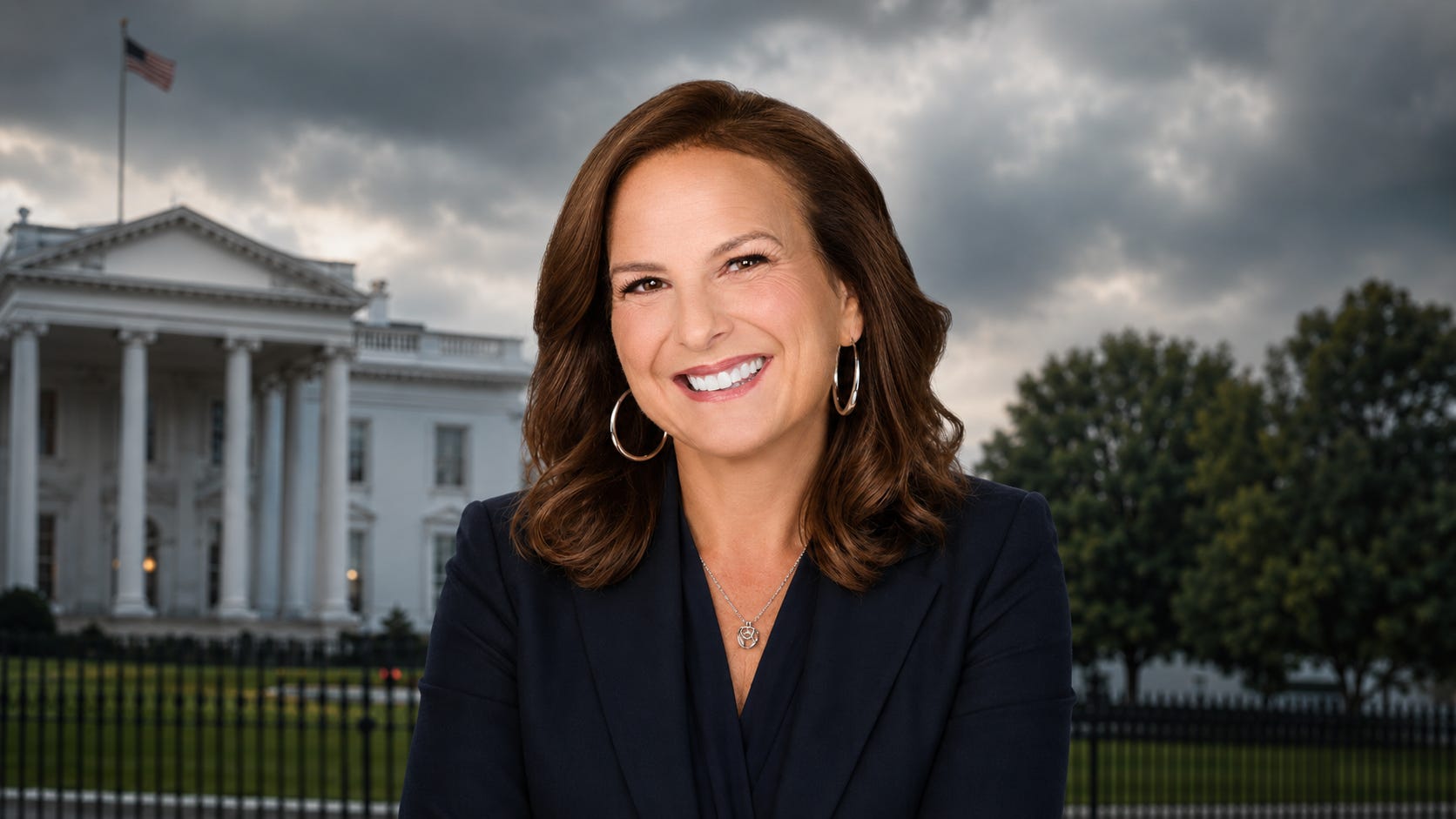
I had the opportunity to sit down with Katy Talento on The Robert Scott Bell Show, and I have to tell you, this was one of those conversations where the longer it went, the more you realized how much is happening beneath the surface in Washington health policy. Katy has been inside the machine. She worked in the White House as a health policy advisor, spent years in the Senate world, and understands how political promises, agency decisions, industry pressure, and bureaucratic reality all collide behind closed doors.
What made the conversation so powerful was not that Katy came in as someone who had always agreed with the health freedom movement. Quite the opposite. She openly talked about how, during the first Trump administration, when Robert F. Kennedy Jr. was trying to get a Vaccine Safety Commission moving, the issue landed in her world as something to be handled. In her words, it became her job to make that problem go away.
Now that is not a small admission. And to her credit, she did not run from it. She did not dress it up in political fog or pretend it was somebody else’s responsibility. She explained how the system works. Politicians say yes to a lot of people. Staff members vet those commitments. Agencies weigh in. Institutional assumptions take over. And if the people in the room believe vaccine skepticism is dangerous, then a vaccine safety commission is not seen as accountability. It is seen as a threat.
That is where this conversation becomes bigger than Katy’s personal journey. It becomes a window into how the health freedom perspective was almost completely absent from government before COVID forced millions of Americans to start asking questions they had never asked before. Katy was an epidemiologist by training. She thought, as many in that profession think, that vaccines were essential to public health and that the White House had to be careful about the message it sent by who it met with and what it appeared to validate.
At the time, the idea of bringing Kennedy into that conversation was not just a policy question. It was a signal question. Every meeting, every visitor, every word from the White House sends a message. And in that world, the message of vaccine skepticism was considered dangerous. Add the name Kennedy into a Republican White House environment, and the first instinct was basically, “That’s a no.” Not because everybody sat around twirling mustaches and plotting against health freedom, but because the assumptions were already baked into the cake.
And that may be the most important lesson. A lot of harm does not require a secret villain in a dark room. Sometimes it only requires a room full of people who all think the same way, trained by the same institutions, trusting the same agencies, and reacting to the same trigger words. Before COVID, the kind of health consciousness many of us had been developing for decades barely existed in government. There were people skeptical of the pharmaceutical industry, yes. There were populists who understood parts of the health care swamp. But asking seriously about vaccine injury, homeopathy, naturopathy, chiropractic, herbalism, or the deeper corruption of public health assumptions? That was not meaningfully represented.
Still, even before Katy’s awakening, there were seeds. She remembered meeting mothers early in her Senate career who believed their children had been vaccine injured. She did not dismiss them as fools. Moms usually know what is up. They are not dumb. So she called the CDC and asked what they would say to these mothers. What came back was not a real answer. It was the familiar institutional fog. Safe and effective. Watermelon, watermelon. Nothing that truly addressed the concern. Nothing that honored what those mothers were saying. It did not fully wake her up then, but it planted the thought that maybe there was something there.
Then came COVID, and the cognitive dissonance became impossible to ignore. Katy was no longer in the White House by then, but early on she was still defending the administration’s response. She trusted some familiar players. She still thought like a standard health thinker. But as the months unfolded, the masks, the six-foot rule, the arbitrary closures, and the bizarre distinctions between what was allowed and what was forbidden started to collapse under their own absurdity. Walmart was open, churches were closed, and somehow everyone was supposed to pretend the virus respected the difference.
COVID did not create the corruption. It revealed it. That is why, as painful as those years were, many of us can still recognize that a massive consciousness shift happened. Shows like mine consistently warned for decades about agency capture, pharmaceutical power, censorship, and the dismissal of natural healing. But COVID dragged those dynamics into public view. It showed millions of people what many of us had been trying to explain from the health freedom wilderness. The censorship was real. The coercion was real. The bait and switch was real.
One of Katy’s clearest moments came during the COVID shot rollout. She watched the FDA approve a vaccine product label for a vaccine not even available, while extending the emergency use authorization for the product actually being used. Her question was simple: why would they need to do that? The answer looked obvious. They needed the appearance of FDA approval because mandates depended on it. That was not a harmless technicality. That was the kind of nefarious maneuver many of us were calling out while being censored, deplatformed, and treated like public enemies for noticing the obvious.
The conversation also brought us into the reality of how hard policy change is. In a Republican administration, policy changes must come from political appointees, and there are very few of them compared with the enormous permanent bureaucracy. HHS is massive. FDA is massive. A handful of political people are buried under regulations, guidance documents, agency decisions, industry pressure, and competing priorities. That does not excuse failure, but it does explain why important issues can be pushed aside until someone forces them to the top.
Homeopathy is a perfect example. Katy said FDA was screwing up homeopathy on her watch, and she only realized it later. A major policy change should have come through White House review, but apparently it never crossed her desk. That tells us something very important about the deep state problem inside agencies like FDA. We are not just dealing with one bad official or one bad decision. We are dealing with machinery that can move policy in ways even the people supposedly overseeing it may not see until after the damage is done.
That means the homeopathy community, the natural health community, and the broader health freedom movement need to learn an uncomfortable lesson. Quiet righteousness is not enough. Katy said the homeopathy community must get meaner. Not dishonest. Not cruel. Not unhinged. But louder, more persistent, more organized, and harder to ignore. If an issue does not create political pain, it sinks under the pile. If people do not call, pressure, and demand action, the system assumes they do not really mean it.
The pharmaceutical industry understands that perfectly. Donors understand it. Regulated entities understand it. They do not wait for Washington to discover moral clarity. They pressure. They plant stories. They lean on the White House. They golf with presidents. They make their priorities impossible to ignore because for them, product approval and agency decisions are existential. If we want health freedom to compete on that battlefield, we cannot behave as if good intentions alone will win.
Katy offered one of the strongest warnings in the conversation when she said she told a former commissioner to get right with God because he was taking on the most demonic industry on earth. That is not casual rhetoric. That is someone who has seen enough from the inside to understand what kind of power is being challenged.
That is why MAHA cannot succeed as a spectator sport. It will not succeed simply because Bobby Kennedy is in the room. It will not succeed because one administration makes a few better appointments. It will only succeed when people stop buying what they are selling. That is the real power. Not waiting for FDA to save us. Not waiting for captured agencies to suddenly rediscover liberty. Not waiting for the machinery that buried the problem to become the hero of the solution.
Katy Talento’s journey matters because it shows that awakening can happen even inside the machine. Some of us were warning from the outside. Some are now waking up from the inside. Both matter.
The regulators have protected the regulated from the American people for far too long. The question is whether enough of us are finally ready to make that impossible.
It happens when you stop asking for permission when none is required. Let them know.
Watch the interview below:

-RSB
This was so good! Appreciate you airing it!